April 6, 2026
Windshield glare creates dangerous driving conditions, causing temporary blindness, eye strain, and reduced visibility that contribute to thousands of accidents annually when drivers cannot see roads, vehicles, or pedestrians clearly. Many motorists tolerate this hazard without realizing that effective solutions exist to reduce glare dramatically while providing additional benefits, including UV protection, temperature control, and enhanced privacy. Understanding how window film technology addresses glare problems helps drivers make informed decisions about whether this modification delivers sufficient value to justify investment in their vehicles. The difference between squinting through blinding sun and driving comfortably with clear visibility often comes down to whether vehicles have professional film installations or rely solely on sun visors that provide minimal protection. Learning what modern tinting offers and how it transforms driving safety empowers vehicle owners to evaluate whether this proven technology deserves consideration for protecting themselves, passengers, and others sharing roads where glare creates hazards affecting everyone's safety daily.
Understanding How Glare Affects Driving Safety
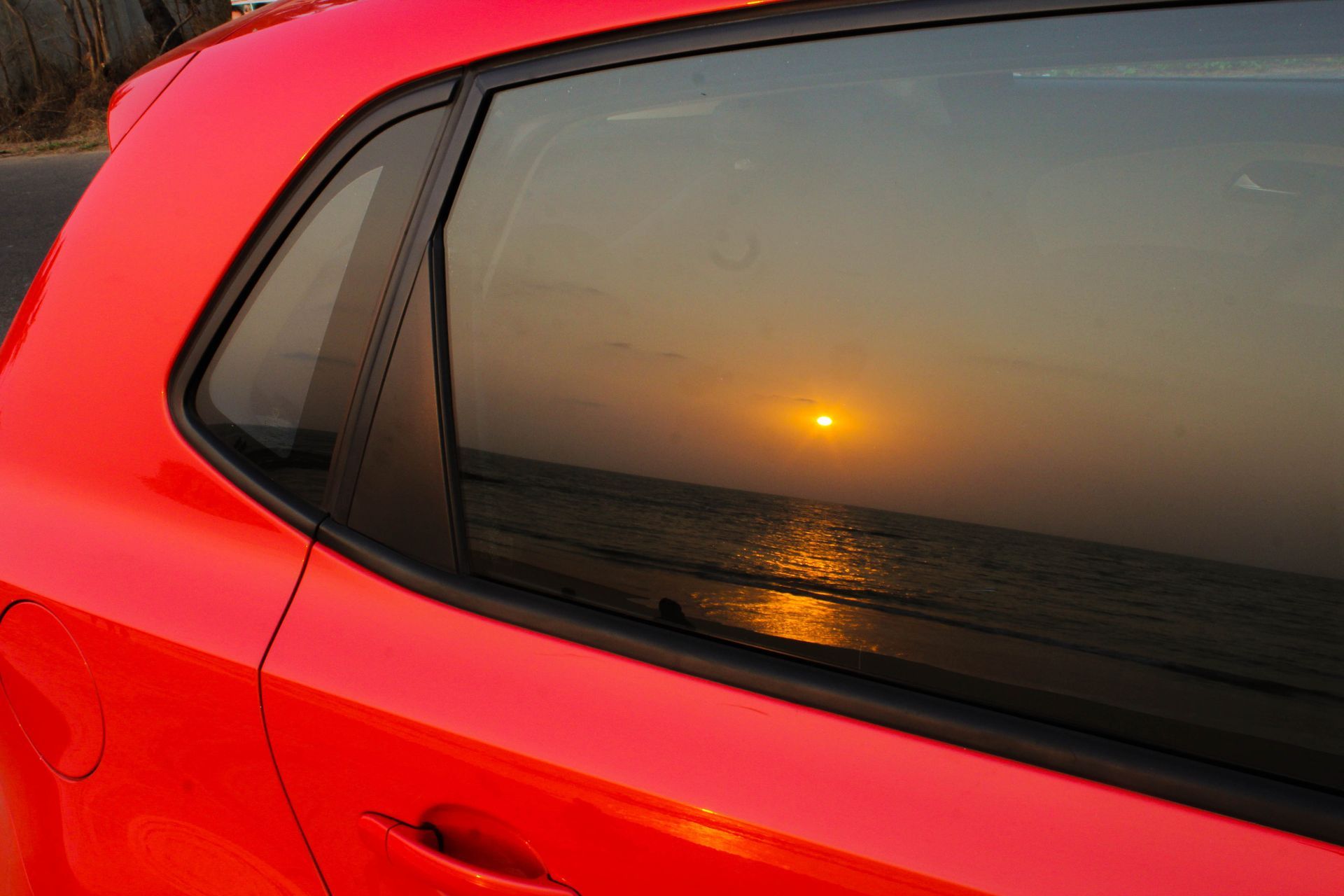
According to market.us, tinting can reduce glare by up to 90%, improving driving safety. Bright sunlight, headlight reflections, and light bouncing off wet roads or snow create visibility problems that slow reaction times and increase accident risks substantially. Eye fatigue from constant glare causes headaches, reduces concentration, and makes extended driving particularly exhausting during sunrise, sunset, or when traveling directly toward bright light sources. The temporary blindness that severe glare creates proves especially dangerous during critical moments when split-second decisions determine whether drivers avoid accidents or collide with obstacles they cannot see. Professional windshield tinting addresses these hazards by filtering harmful wavelengths while maintaining clear visibility, creating safer driving conditions that reduce eye strain and improve drivers' ability to see roads, traffic, and potential hazards clearly throughout all lighting conditions.
Beyond glare reduction, quality window films block harmful ultraviolet radiation that causes skin damage, premature aging, and increases skin cancer risks during cumulative exposure over the years of driving. This UV protection also prevents interior fading, cracking, and deterioration that sunlight causes to dashboards, upholstery, and trim components, preserving vehicle value and appearance. The health benefits that UV blocking provides prove particularly important for people with sun sensitivity or those spending substantial time in vehicles during commutes or professional driving. Windshield tinting delivers this protection without the dark appearance that side and rear window films create, maintaining visibility while blocking invisible UV rays that cause damage, despite not affecting how drivers see through glass during normal operation.
Temperature Reduction and Climate Control
Window films reject solar heat before it enters vehicles, reducing interior temperatures substantially and decreasing air conditioning demands that affect fuel economy and engine performance. This heat rejection proves especially valuable in hot climates where unprotected vehicles become unbearably hot during parking and require extended air conditioning operation to achieve comfortable temperatures. The reduced cooling load that effective windshield tinting provides lowers fuel consumption, extends air conditioning system life, and improves comfort during the initial minutes after entering vehicles parked in direct sunlight. Modern ceramic films offer superior heat rejection without the metallic content that interferes with electronic signals, including GPS, satellite radio, and cellular communications, which older film technologies sometimes disrupted.
While windshields cannot be tinted as darkly as side windows due to visibility requirements, even light films provide privacy benefits by reducing how easily passersby can see vehicle interiors and contents. This added privacy discourages theft by making it harder for criminals to identify valuable items left in vehicles that have unprotected glass displays openly. The privacy that windshield tinting provides proves particularly valuable for parents concerned about child safety, professionals transporting sensitive materials, or anyone preferring that strangers cannot easily observe vehicle occupants and contents. Light transmission percentages can be customized within legal limits, balancing privacy desires against the visibility requirements that safe driving and legal compliance demand in various jurisdictions with different tinting regulations.
Professional Installation Versus DIY Attempts
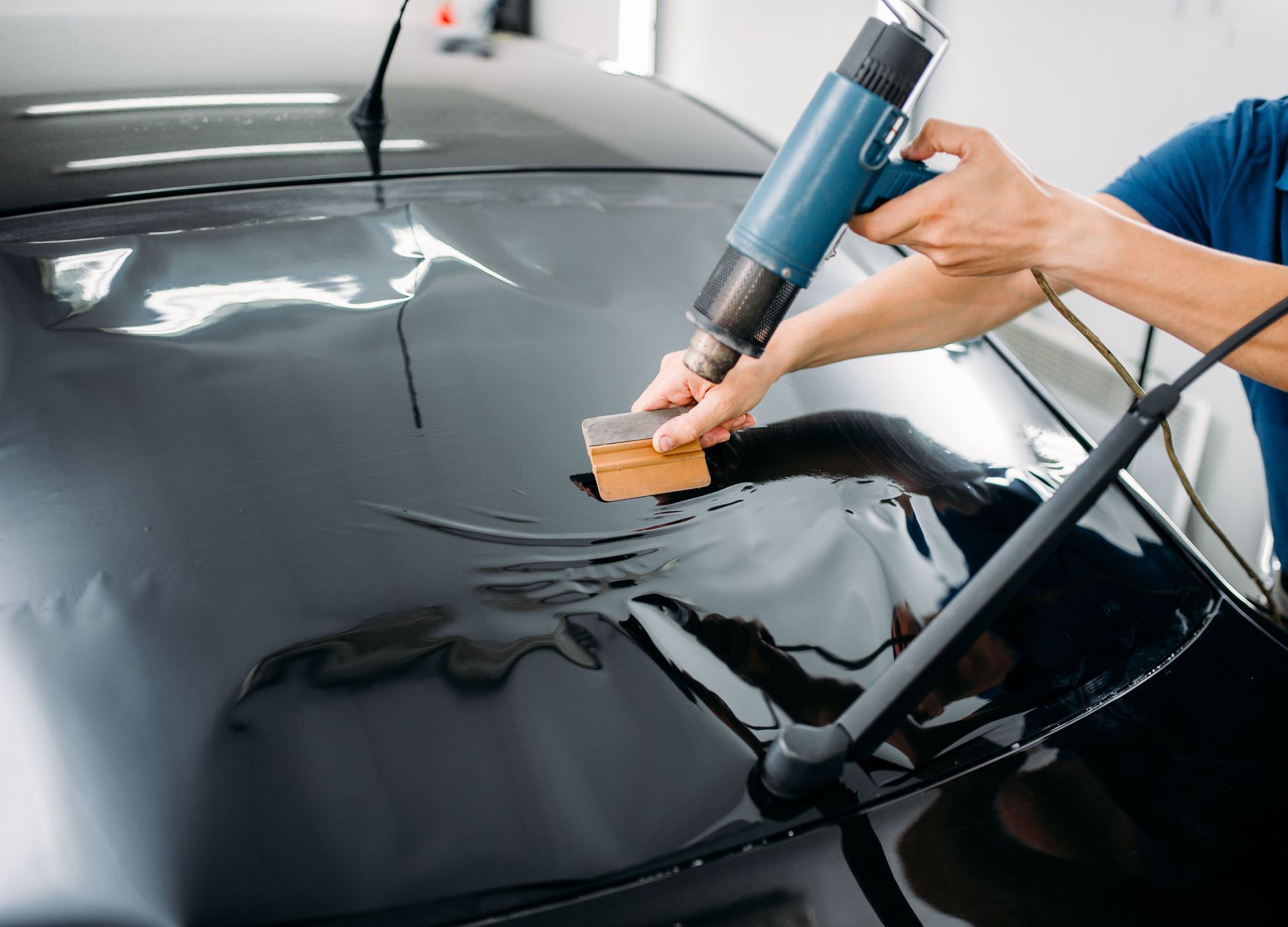
Quality installation requires specialized tools, climate-controlled environments, and experience that DIY attempts cannot replicate, despite manufacturer claims that films apply easily without professional assistance. Bubbles, creases, edge lifting, and contamination plague amateur installations, creating poor appearance and reduced effectiveness that professional work avoids through proper technique and controlled conditions. The curved windshield surface proves particularly challenging, and improper installation damages glass or creates distortions affecting visibility more than helping it. Investment in professional windshield tinting ensures proper application, appropriate film selection, warranty coverage, and results that DIY efforts rarely achieve, despite good intentions and careful attempts following manufacturer instructions that underestimate the skill and conditions that quality installation requires.
Not all window films perform equally, with quality ranging from basic dyed films that fade quickly to advanced ceramic products that maintain performance and appearance throughout years of sun exposure. Cheaper films may discolor, bubble, or peel within months, while premium products backed by lifetime warranties provide decades of reliable service without the deterioration that inferior films suffer. The technology differences affect not just longevity but also heat rejection, clarity, and whether films interfere with electronics through metallic content that some products contain. Selecting appropriate windshield tinting requires understanding these quality differences and choosing films that deliver the specific benefits you prioritize, whether emphasizing heat rejection, glare reduction, UV protection, or balanced performance across all categories that different film technologies address through varying approaches and materials.
Warranty Protection and Long-Term Value
Reputable installers provide warranties covering peeling, bubbling, discoloration, and adhesion failures that inferior products and improper installation create within years of application. These warranties protect your investment, ensuring problems get corrected without additional cost rather than requiring you to pay for film removal and replacement when failures occur. Manufacturer warranties apply only when professional installation occurs, and DIY applications void coverage despite using quality films that would otherwise include warranty protection. The long-term value that professional windshield tinting with comprehensive warranties provides justifies cost premiums over cheap installations or DIY attempts that offer no recourse when films fail through product defects or application problems that proper professional work would have prevented through superior materials and installation techniques.
Properly installed window films require minimal maintenance beyond normal glass cleaning using ammonia-free products that won't damage film adhesives or surfaces over time. Avoiding abrasive materials, sharp objects, and harsh chemicals preserves film integrity and appearance throughout service lives spanning many years of regular use. New installations require brief curing periods before cleaning, and following the installer's recommendations about initial care prevents damage during the days when adhesives fully bond to glass. The minimal maintenance that quality tinting demands makes it particularly appealing for busy drivers wanting benefits without ongoing care burdens that some vehicle modifications require through regular attention that films simply don't need after proper installation and initial curing periods.
Understanding how window film technology addresses glare, UV exposure, heat, and privacy helps drivers recognize the comprehensive benefits that quality installations provide beyond just reducing annoying brightness. The safety improvements that effective glare reduction delivers justify investment through the enhanced visibility, reduced eye strain, and eliminated temporary blindness that untinted windshields allow during dangerous lighting conditions. Making informed decisions about film quality, installation professionalism, and legal compliance ensures you receive maximum benefits while avoiding the problems that cheap products or amateur installation create. Whether you need auto repair shop, auto shop services, audio installations, video installations, auto repair, auto collision repair, auto glass, car maintenance services, exhaust, mechanical repairs, electrical repairs, vehicle modifications, auto wrap, ceramic coating, performance modifications, window tinting, or paint protection film, QWIK Auto Center provides a lifetime auto tint warranty, offers weekend availability, and brings 25+ years of experience. For more information, contact us today!